Chapter 13 — From the Douro Vineyards to the Villages That Time Forgot
The next few days were spent exactly as we needed them to be — quietly, without agenda, recharging in a northern campsite with good food and good rest. Caravan cooked meals rich with vegetables and proteins, catching up on work and schoolwork, morning exercise, long walks. The kind of slow days that sound uneventful when you describe them and feel essential when you're living them.
Along the Douro — Vineyards, Tour Boats and a Jeep Spa Day
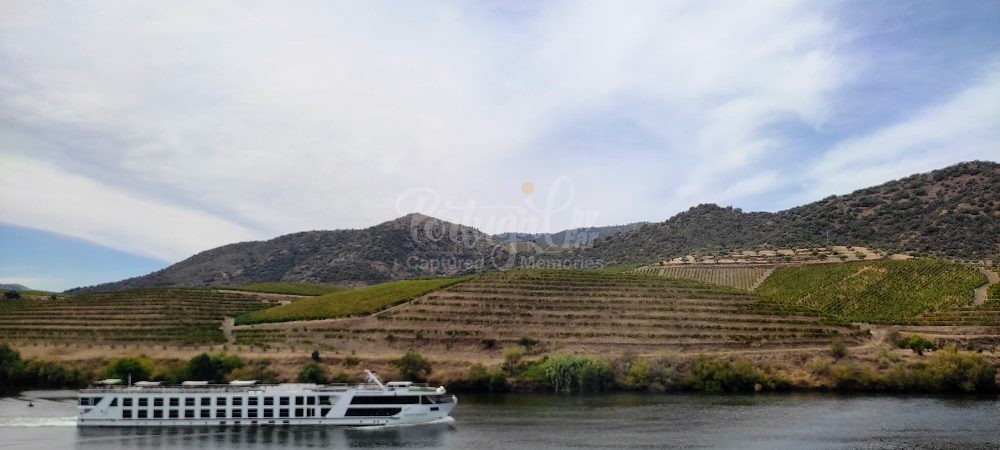
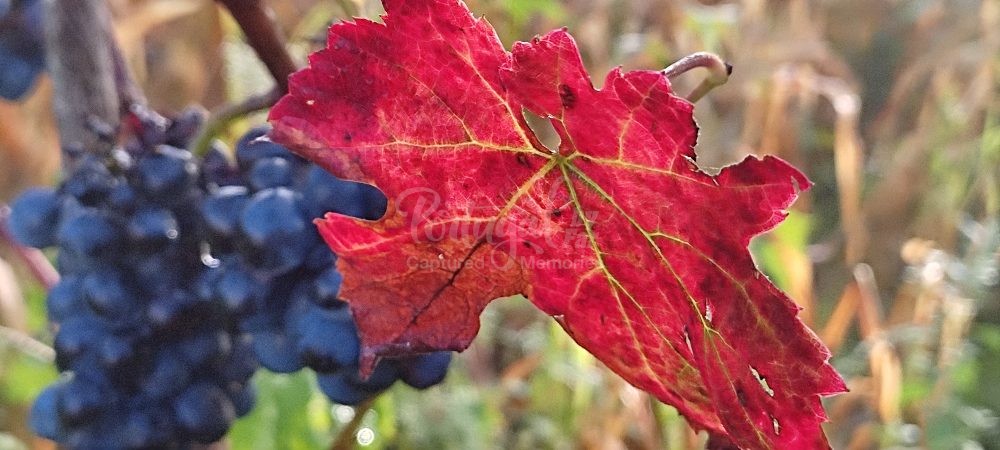
The Douro River forms the northern part of the border between Spain and Portugal along this stretch, and the views from its banks are extraordinary. Row after row of vine-covered hills in their prime, grapes ripening slowly in the late summer sun, the whole landscape terraced and green and ancient. This is where Douro wine is born — the same wine that has been made in these hills for over two thousand years and that has made this valley one of the most celebrated wine regions in the world.
Driving slowly along the river, we watched tour boats floating calmly downstream packed with happy tourists raising their glasses to the scenery. We completely understood their enthusiasm.
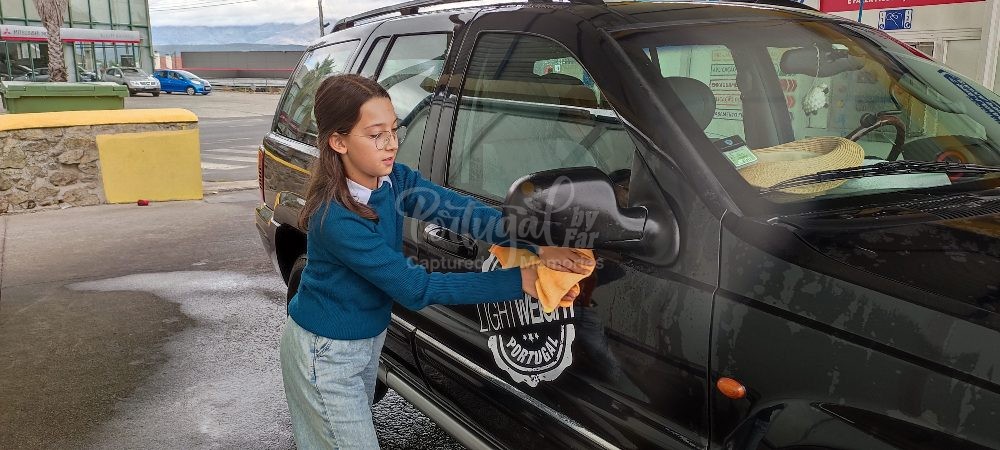
It was also time for a Jeep spa day. We took our dusty, mountain-road-hardened Jeep for a proper wash — exterior scrubbed, interior vacuumed and dusted from roof to footwell. Everything sparkly clean. After two months on the road it deserved it, and honestly, so did we.

If you want to experience the Douro Valley properly — and you absolutely should — there's an extraordinary range of wine estate quintas and river view stays ranging from working wine estates with cellar door tastings to beautifully positioned boutique stays overlooking the river terraces — waking up to those vineyards from your window is an experience entirely its own. We always compare rates across platforms before committing to any stay, and it saves us every time. And if you want to experience the river the way those happy tourists we watched from the road were doing, book your Douro Valley wine cruise and winery tour well in advance — the small group tours combining a river cruise, winery visits and a traditional lunch are consistently among the highest-rated experiences in all of Portugal.
A Hidden Waterfall on the Way South — Poço da Broca da Barriosa
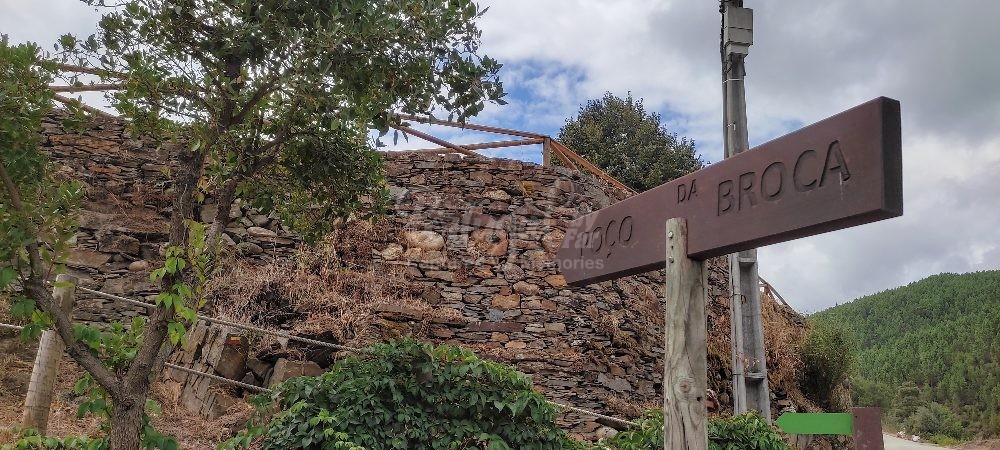
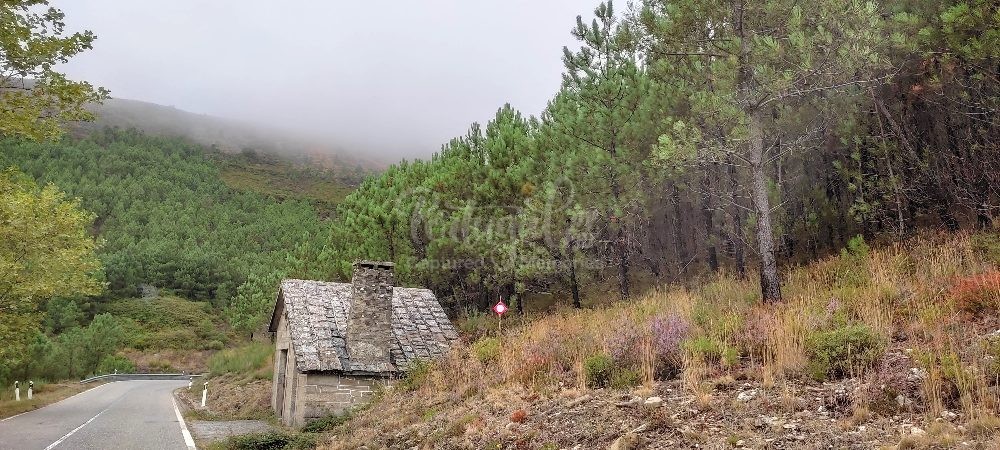
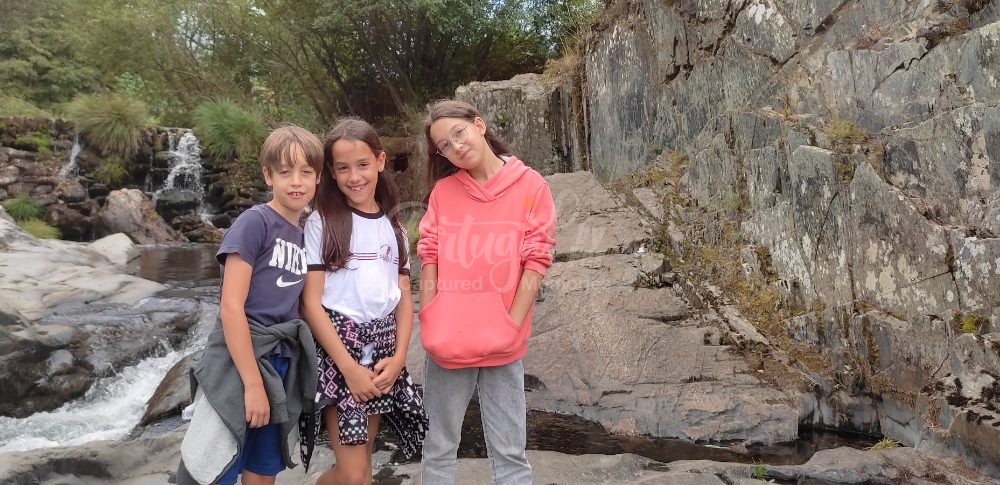
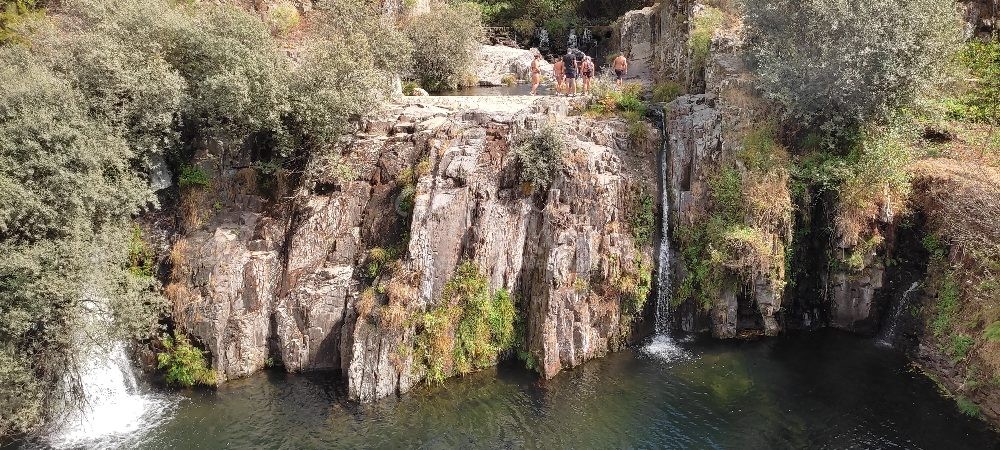
We took a couple of days to start heading south. On the way we stopped at Poço da Broca da Barriosa — a little hidden gem located on the Alvôco riverside near the village of Barriosa in Vide, at the southwest end of Serra da Estrela Natural Park. A 10-metre waterfall of unparalleled beauty tumbling into a crystal-clear natural pool, surrounded by a landscape inhabited by rare amphibians, birds and lavish vegetation. Wooden walkways guide you between the pools, the water so clear you can see every stone beneath it.
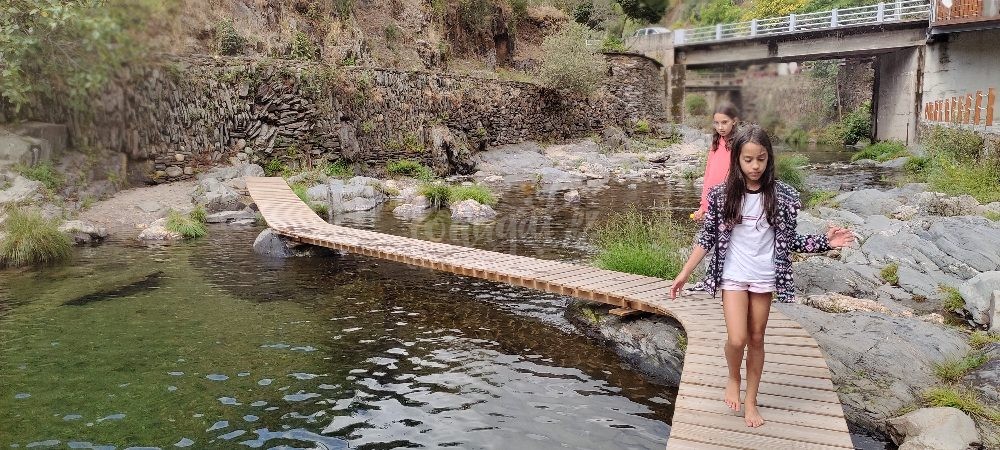
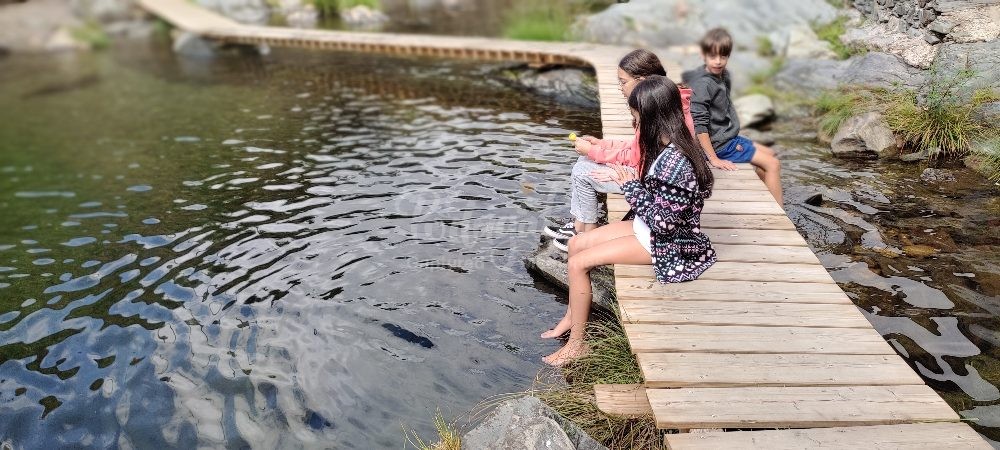
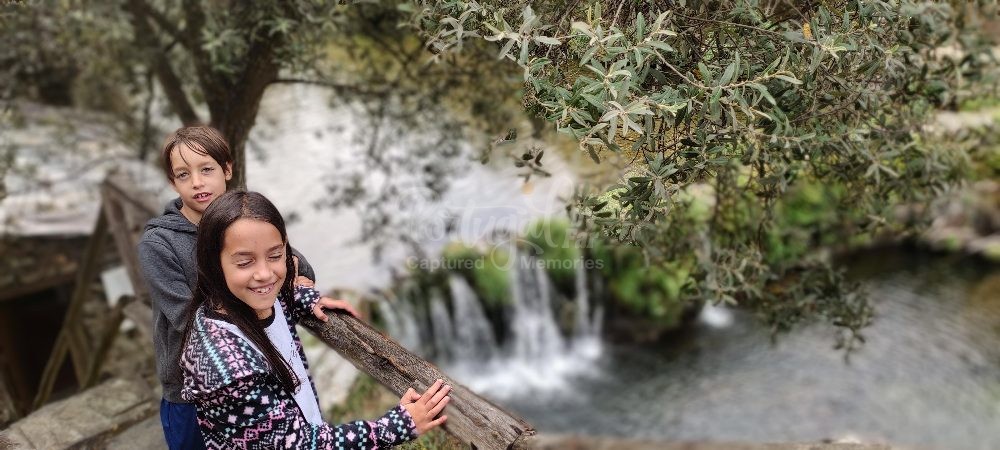
We spent a few hours there — walking the narrow paths, picnicking on the banks, dipping our feet into the ice-cold water, breathing in the forest air. Then back on the road, refreshed in every sense. If you visit, the restaurant Guarda-Rios directly on site offers traditional Portuguese cuisine with an unrivalled view over the waterfall — one of those spots that earns its own detour.
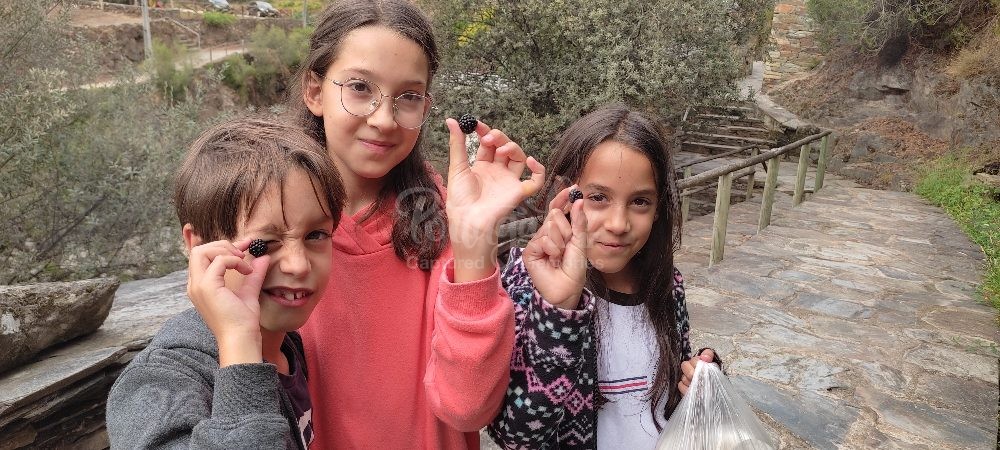
Terra da Barraquinha Campsite, Lousã — A Homey Green Gem
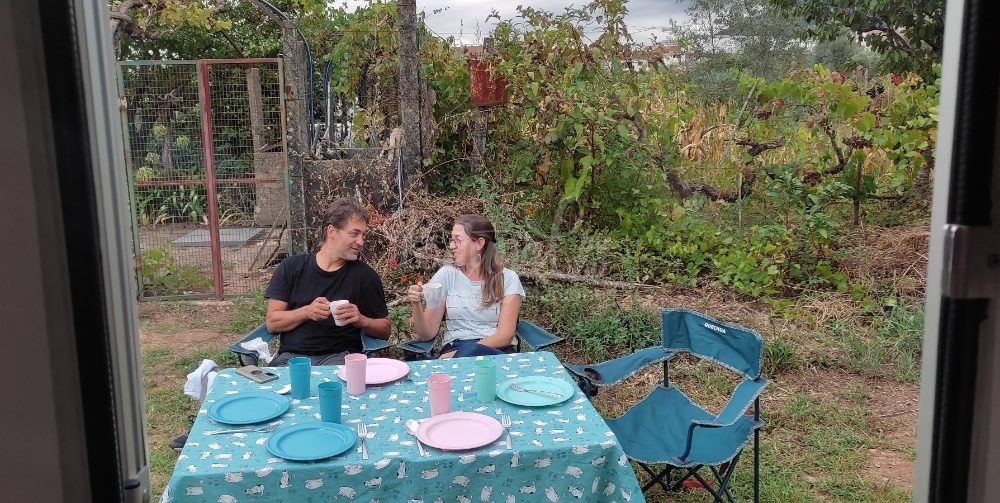
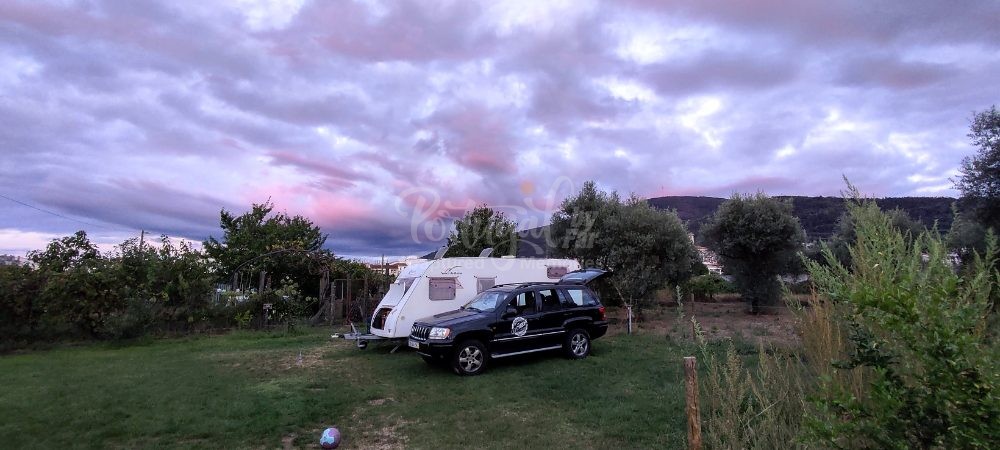
We kept driving south-west to a small private family-owned campsite in Lousã called Terra da Barraquinha — a little clearing of green grass surrounded by an edible garden. We were the only campers there when we arrived, later joined by another family and a couple, but the spot felt homey with plenty of privacy throughout.
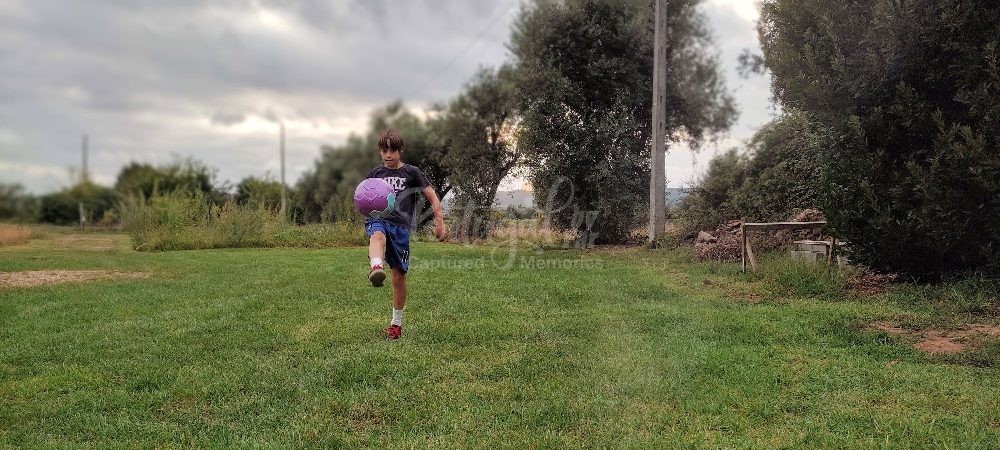
We set out our camping table and chairs and spent a peaceful afternoon with coffee while the kids played football on the grass. The only surprise was the shower — a charming little wooden structure where the only hot water came from a black tube heated by the sun. One hot shower per day, then cold for everyone after. We stayed two nights because it was so lovely. I would have stayed longer — if it weren't for the cold shower situation. Some habits are just too ingrained to surrender.
For those who prefer a hot shower guaranteed with their nature stay, the Lousã area has a wonderful range of rural retreats and schist village stays that put you right in the mountains with all the comfort of a proper bed and functioning hot water. Browse the full selection of places to stay in and around Lousã before you go.
The Ecological Park Serra da Lousã — A Sanctuary Worth Visiting
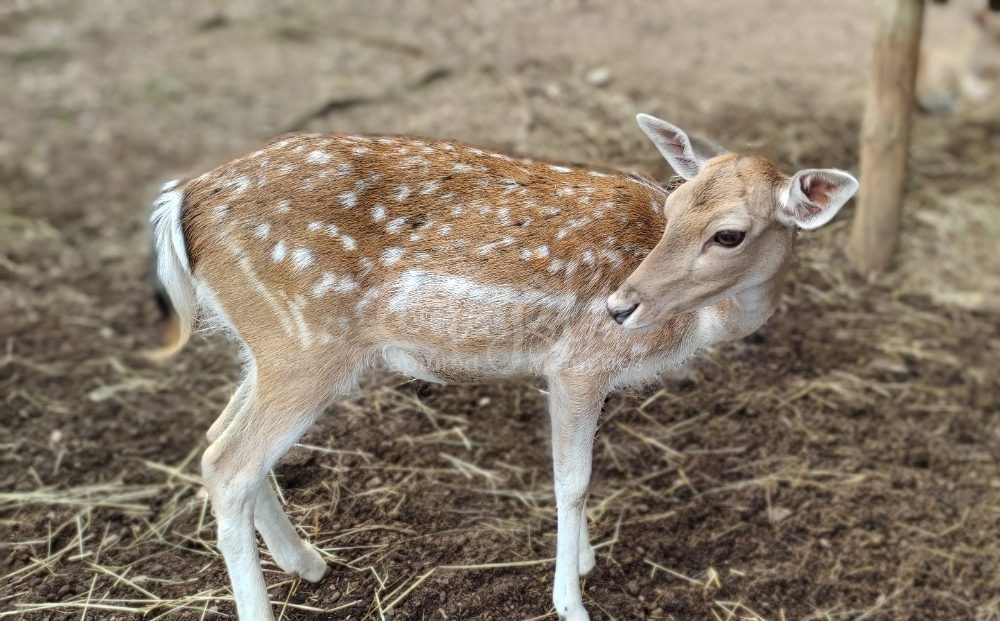
The next morning we drove to the Ecological Park Serra da Lousã — and I want to be honest about my mixed feelings going in, because they're worth sharing.
I am a huge animal lover. Cages make me uncomfortable. But this place is different — and understanding why it's different matters before you visit.
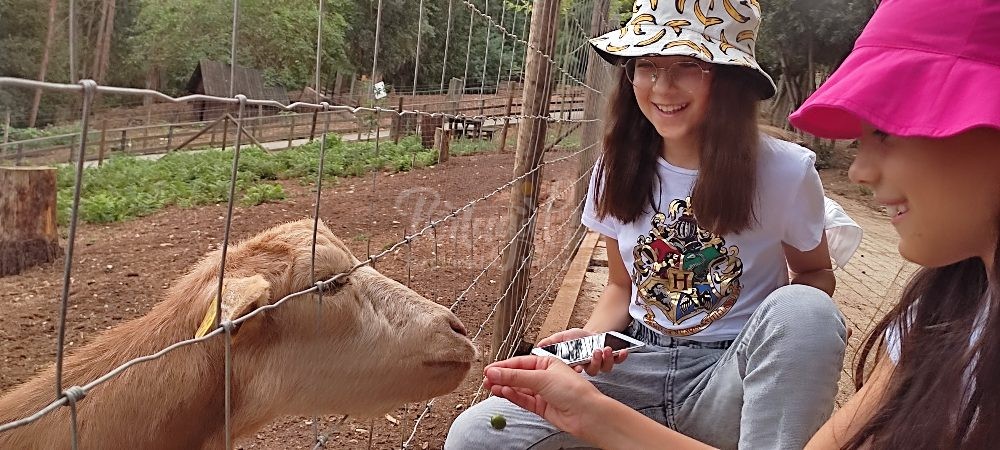
Four things worth knowing before you go:
It's not a zoo — it's a rescue and conservation centre. The park provides both children and adults with an endearing and enlightening experience, encompassing a pedagogical farm with interactive educational activities including workshops, programs and hands-on experiences. Every animal here has a reason to be here — injured, endangered or already extinct in the wild in Portugal.
The species list is extraordinary. Along the walk you can observe birds of prey including eagles and owls, grizzly bears now extinct in Portugal, lynx, Iberian wolves, foxes, wild boars, and various herbivores including deer and roe deer. Seeing a grizzly bear in Portugal — even in a sanctuary — is something you don't forget.
It's much more than animals. The park includes an Information Center, Wildlife Park, Pedagogical Farm, Labyrinth of Fruit Trees, Rose Garden, Equestrian Center, Living Museum of Traditional Arts and Crafts and its own restaurant. You could spend a full day here easily.
Your entrance fee directly funds conservation. Every visitor contributes to the survival of species that would otherwise have no protected habitat left in Portugal. That reframed the whole visit for us — walking in feeling uncertain, walking out feeling glad we came.
If you're traveling with young kids this is a genuinely worthwhile pitstop. Book a guided Serra da Lousã nature and schist villages tour to combine the park with the surrounding trails and villages in one full day — local guides know these mountains, their wildlife and their history in a way that makes the whole experience far richer.
Lunch at Xing Long — and Then the Castle
After the park we had a really good Chinese lunch at Xing Long restaurant in Lousã — a genuinely satisfying meal that surprised us completely, which is always the best kind. Then we drove toward Lousã Castle through the forest mountains, watching the top of the castle appear over the treeline as we climbed. A magnificent first glimpse.
Lousã Castle and the River Beach That Almost Made Us Miss the Castle
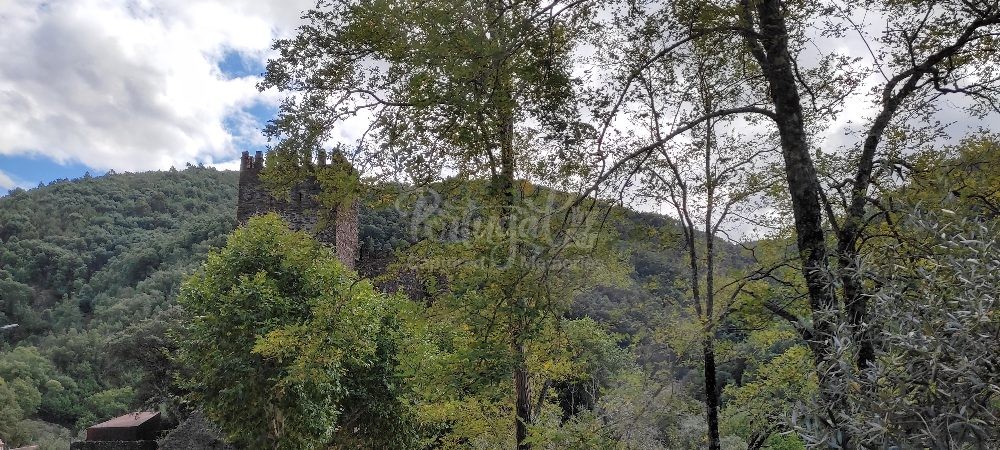
Here's the thing about Lousã Castle that nobody tells you: the real discovery isn't the castle. It's what's below it.
Pulling into the castle car park, we had absolutely no idea that a wooden staircase on the far side led down to one of the most beautiful river beaches we had ever seen.
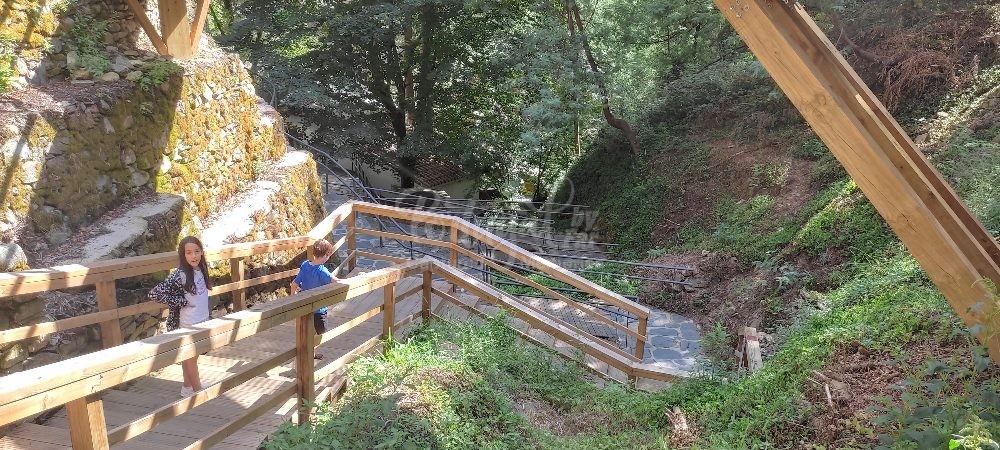
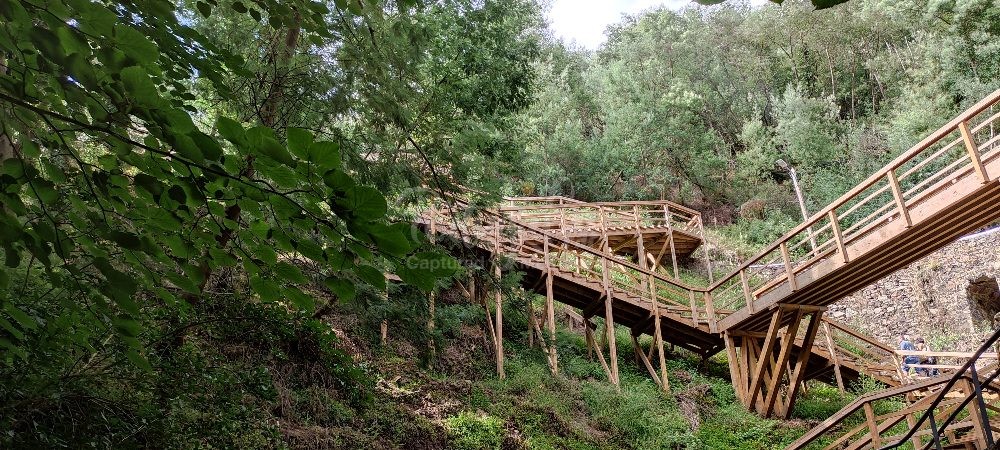
Four facts about this extraordinary spot before you visit:
It's completely free and completely perfect. The Praia Fluvial de Nossa Senhora da Piedade has two natural swimming pools — one for children and one for adults with a diving board — excellent picnic facilities and a paved area fully accessible to visitors with reduced mobility. Bring your swimsuit. Bring a picnic. Don't skip this.
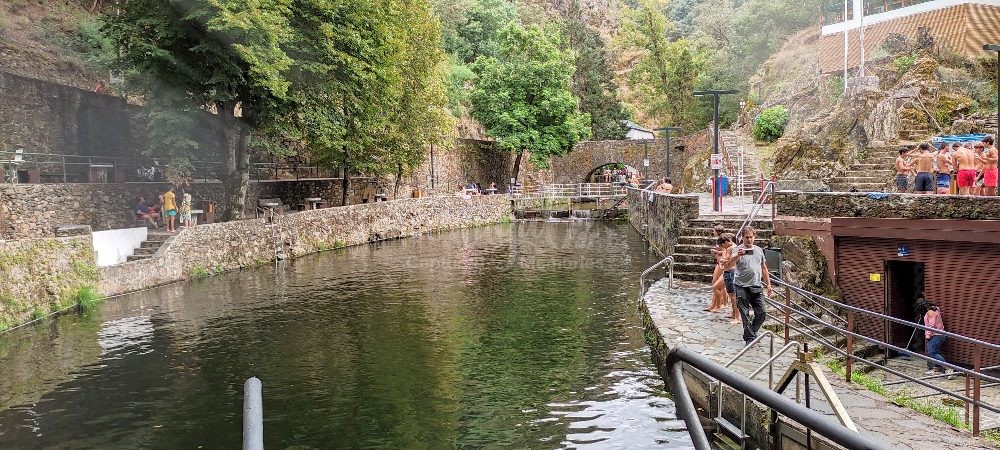
The castle above it has been standing since the 11th century. Its construction predates the establishment of the Portuguese nation itself — built in the second half of the 11th century and a key defensive position during the Moorish occupation. It has been classified as a National Monument since 1910.
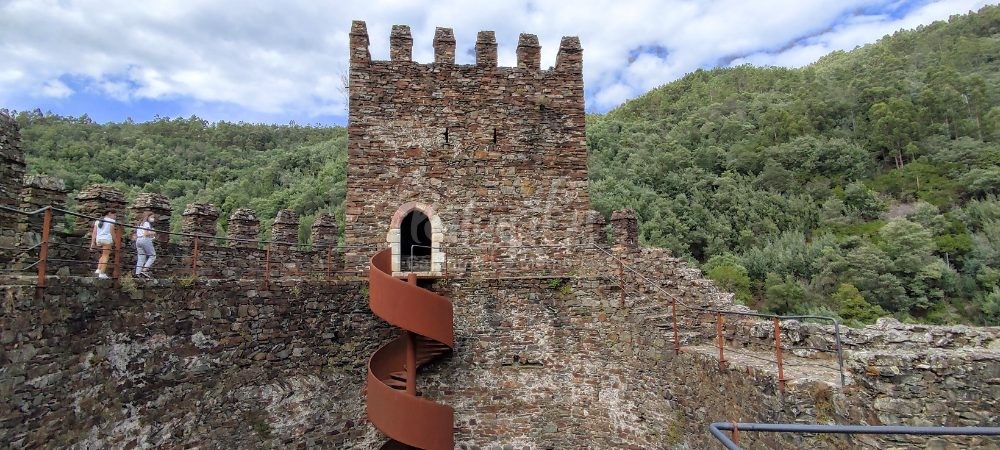
There's a legend you should know. The Emir Arunce built a castle in the Serra da Lousã to protect his wealth and his daughter Peralta during the Muslim occupation. During their escape, Peralta and the conquering Prince Lausus exchanged glances and fell in love. The crystal clear waters of the Ribeira de São João are said to echo with Peralta's sighs for her prince to this day.
The river pool was inaugurated in 1966 — so while the castle above is over a thousand years old, the swimming pool below has welcomed swimmers for sixty years and feels like it's been there forever.
We dipped in the cold clear water for hours, climbed back up to the castle afterwards, walked the rooftop battlements admiring the forest mountain views — and drove back to our campsite at sunset happy, tired and completely satisfied with the day.
For river beach days like this one, three things made our lives significantly easier throughout our entire year on the road — water shoes that protected our feet on the slippery schist rocks, quick-dry microfibre towels that were dry and back in the bag within minutes, and a waterproof backpack that kept phones, wallets and dry clothes completely safe while the kids were in the water.
Candal — The Village That Time Buried in the Mountain
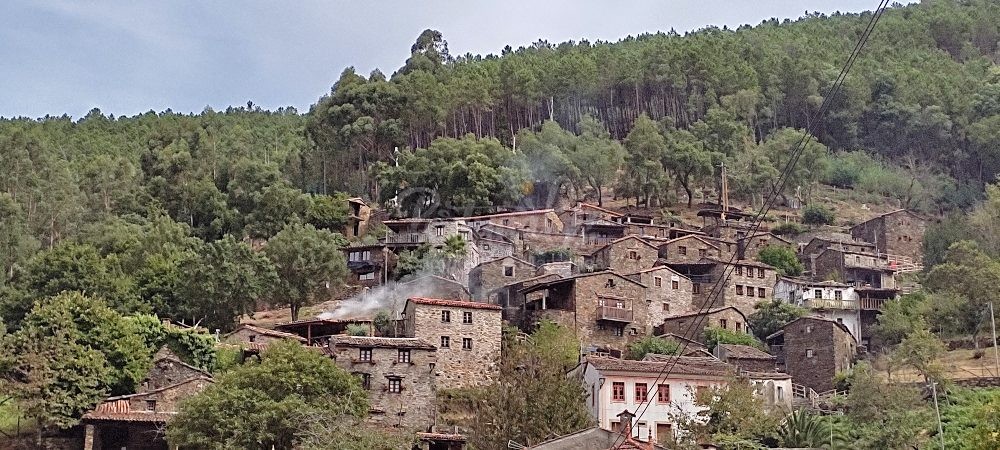
The next morning we drove up to the old town of Candal — and nothing I can write here will fully prepare you for what it feels like to walk into it.
All stone. All schist. Every house, every wall, every path, every step — built from the dark layered rock that comes out of these mountains, fitted together with the kind of precision that only generations of knowledge produce.
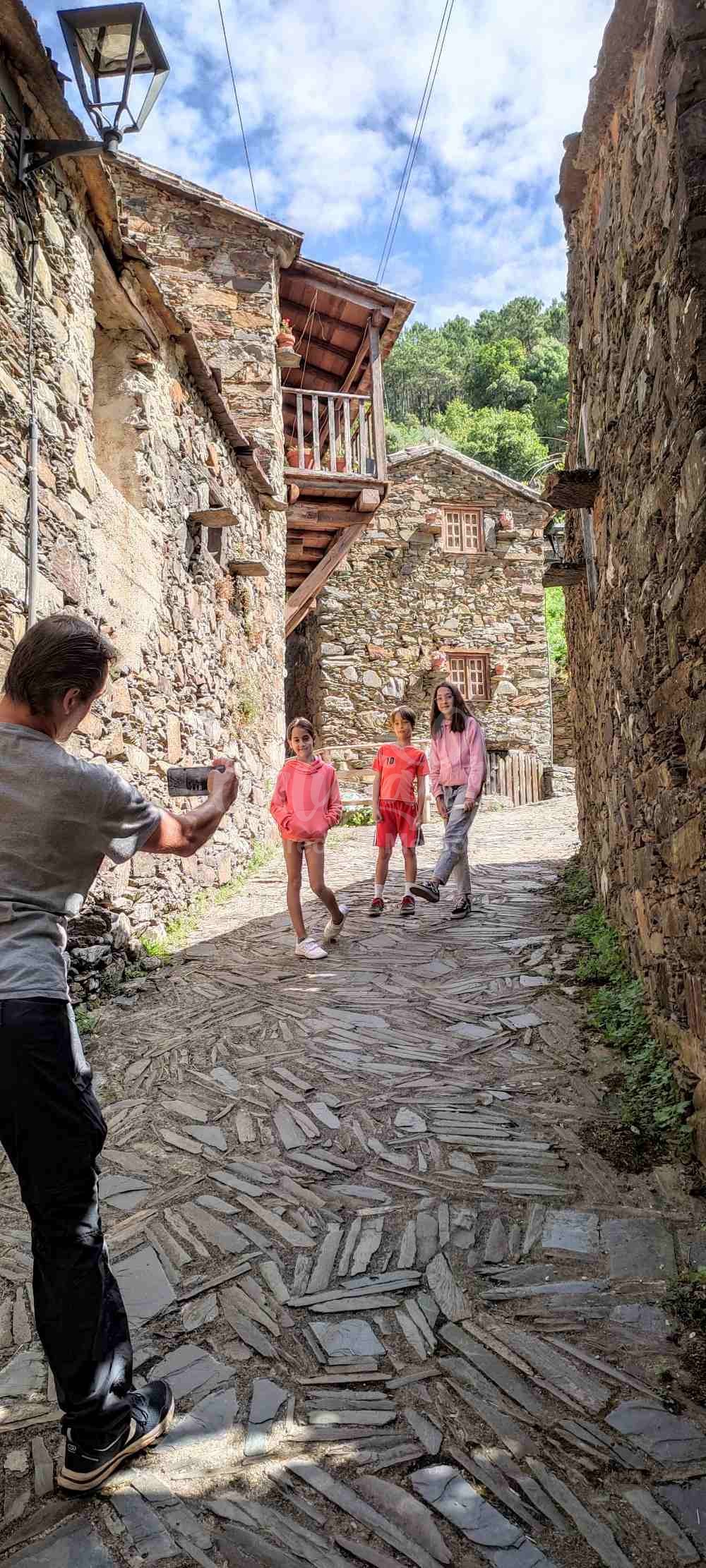
We felt like we had walked into a film set. Except it wasn't. It was — and is — a real place where real people have lived for centuries.
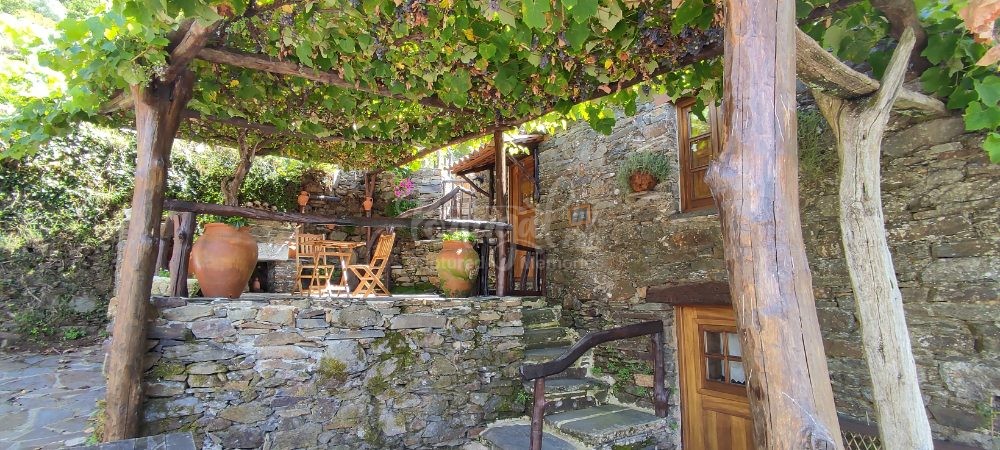
Four things worth knowing about Candal and the Aldeias do Xisto:
They were built in the 12th and 13th centuries from locally sourced schist. These 27 slate villages were all constructed using schist metamorphic rock found throughout the region — a layered stone that splits naturally into flat pieces, perfect for building in a landscape where it was the only material available and the winters were long and cold.
Permanent settlement began in the 17th century. Until then, occupation was only seasonal — shepherds, charcoal burners and farmers working narrow terraced fields using the mountains in spring and summer. Permanent year-round life came in the second half of the 17th century or beginning of the 18th.
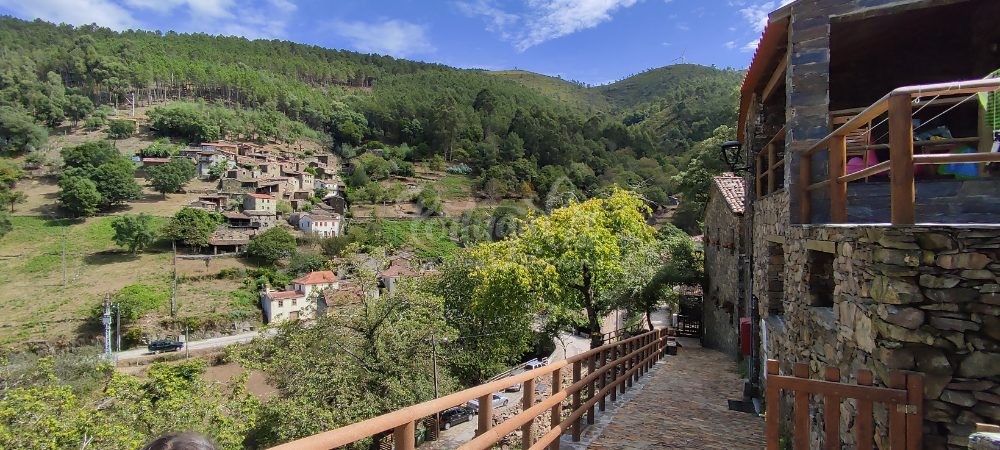
Most villages were abandoned in the 20th century — and then saved. As people moved to cities in search of opportunity, many of these villages emptied out and fell silent. Thanks to coordinated regional restoration efforts in the early 2000s, many homes have been lovingly rebuilt while preserving the slate exteriors that define these mountain hamlets. What you see today is the result of a remarkable community effort to keep these places alive.
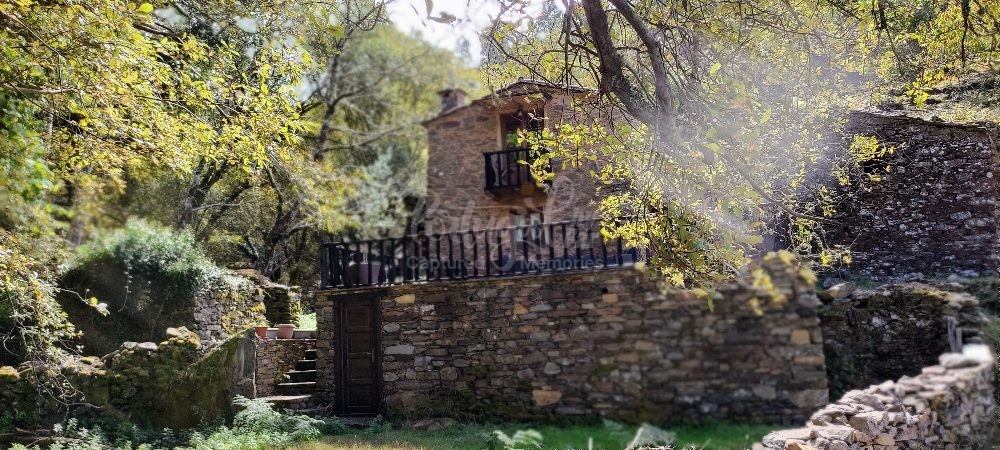
Candal is the most lived-in of the mountain villages. Its inhabitants are used to being joined by visitors who flock here in search of pure air and good company. Unlike some nearby ghost villages where only a handful of people remain, Candal still breathes.
We walked every narrow path, ran our hands along the walls, looked into every doorway. We knew immediately this was a place we'd come back to — properly, with more time and no plans pulling us forward.
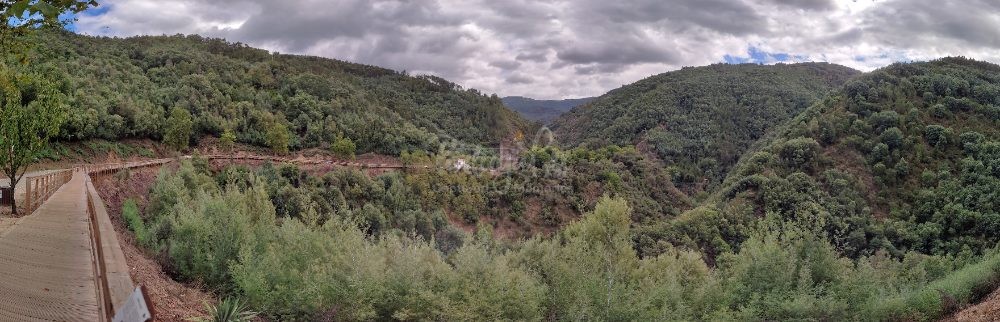
For the full experience of the Aldeias do Xisto, join a guided schist villages tour through Serra da Lousã — the 4x4 Jeep tours visiting Candal, Talasnal, Cerdeira and the surrounding mountains are outstanding and give you access to viewpoints and trails you'd never find alone. For places to stay close to the schist villages, the Lousã area has some genuinely beautiful mountain eco stays and restored schist houses you can actually sleep inside — waking up in a village like Candal is an experience that belongs in a completely different category from a hotel. For the hike between villages, the schist paths get slippery and the terrain is steep — the right trail shoes make a real difference on these mountain trails.
We had an hour and a bit drive to our next destination for the night — the road pulling us forward as always, the mountains of Lousã already behind us, the memory of those stone walls staying with us long after we left.
This post contains affiliate links. If you book or buy through them we earn a small commission at no extra cost to you. This helps us grow and share as many recommendations to help you have your best trip.
Drop us a comment
Share your thoughts about Portugal — we read every message. Be kind, be curious.
Leave a comment
Comments