Chapter 8 — There's a First Time for Everything
First time barefoot on the ocean sands. First off-grid night. First border crossing.
I grew up on the Mediterranean. Born there, raised there, lived most of my life with the sea as my backyard. The smell of salt water, the sound of waves, sand between my toes, these things are not just things I enjoy. They're part of how I'm built.
It had been over a month into our road trip, and somewhere between the mountains and the campsites and the waterfalls, I had been quietly, persistently longing for the ocean. Not just any water, the ocean. The real thing, wide and infinite and indifferent.
Our next stop was right on the northern border between Portugal and Spain. We drove straight to the beach.
The Beach That Was Completely Empty
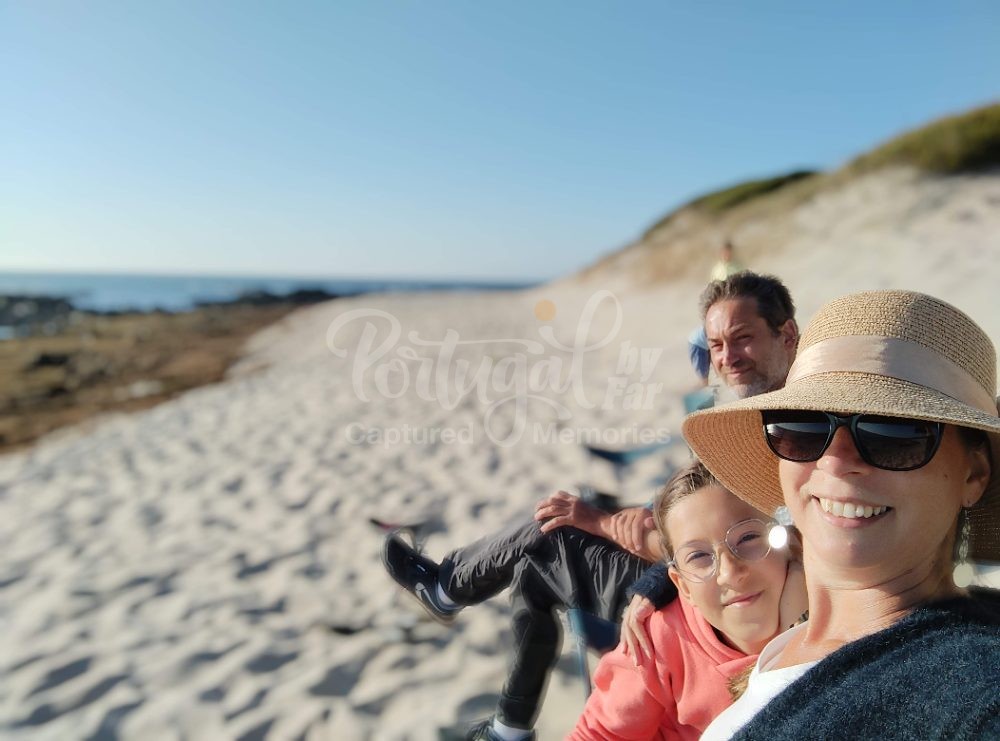
I don't think I can fully explain what it felt like to stand on a Portuguese Atlantic beach and see almost nobody on it. If you've ever been to an Israeli beach in summer, any Israeli beach, but especially the one I grew up on, you'll understand. Space on a beach is not something Israelis are familiar with. You can see people from one end of the horizon to the other.
This beach was empty.
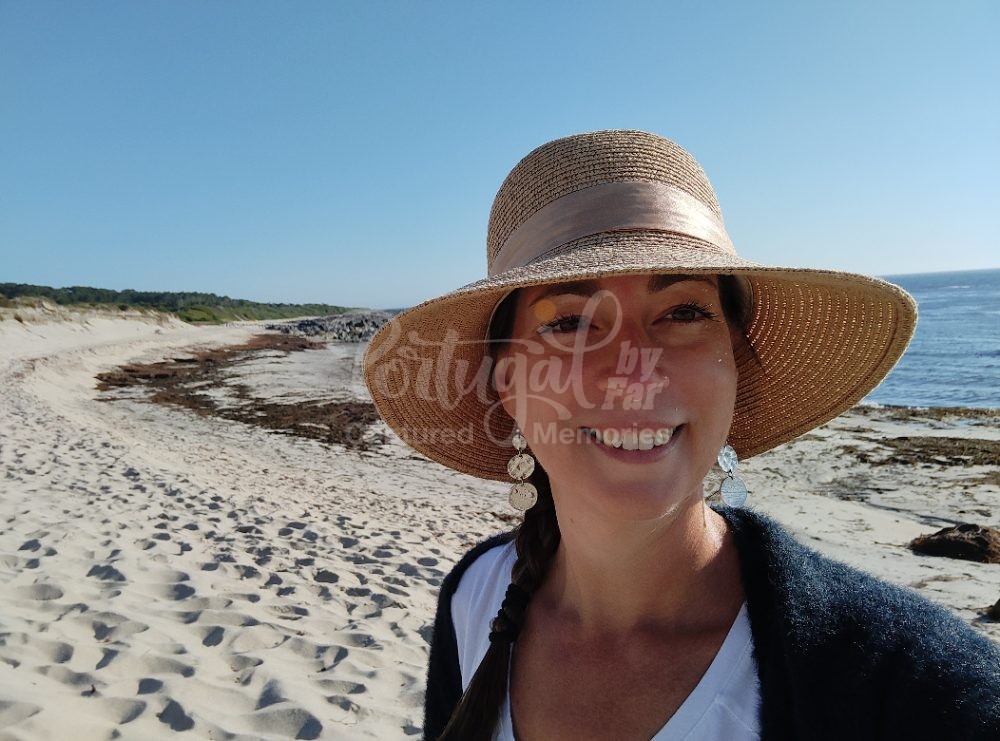
We parked the caravan, walked out, and I took my shoes off immediately. Hot sand first, then cold Atlantic water, and something in me that had been quietly wound tight for weeks just released. This is one of my favourite ways to find calm and strength. Always has been. The ocean doesn't ask anything of you. It just receives you.
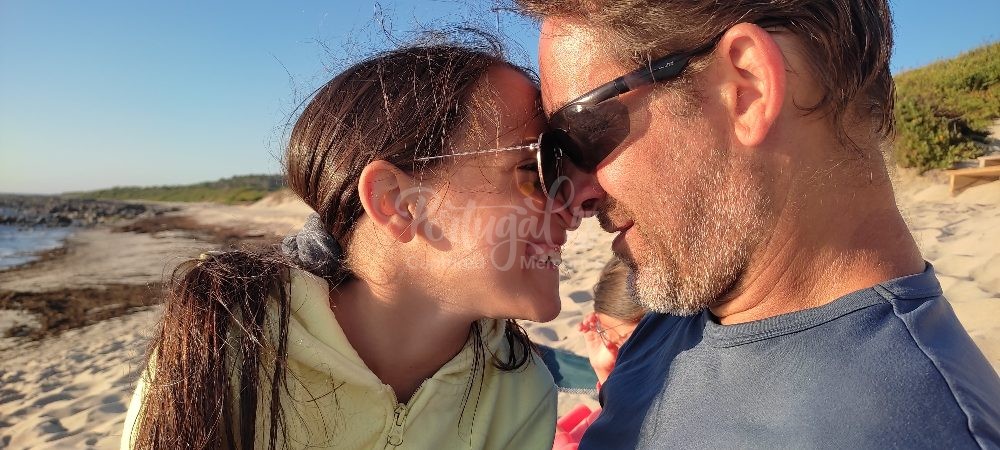
The kids spread out instantly, free and unhurried. Searching for shells, drawing enormous things in the sand, running at the waves. Hagi and I sat on the rocks with our feet in the sand and said very little. We didn't need to.
For beach days on the Atlantic coast, three things we never travel without: water shoes to protect feet on rocky Atlantic shores, quick-dry microfibre towels that were dry and back in the bag within minutes, and a waterproof backpack that kept phones, wallets and dry clothes completely safe while the kids were in the water.
If you want to wake up to this Atlantic horizon every morning for a few days, there's a beautiful selection of coastal accommodation in northern Portugal and some genuinely lovely beachfront stays near the Spanish border.
Our First Off-Grid Night
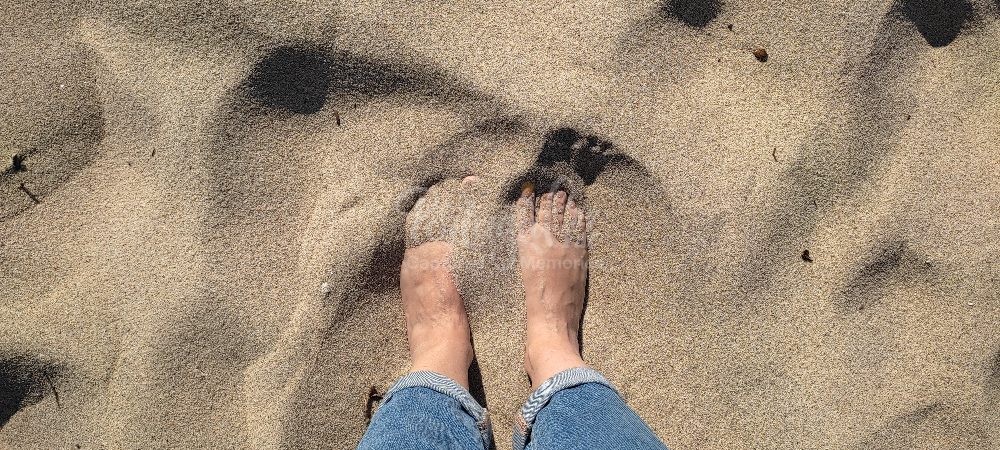
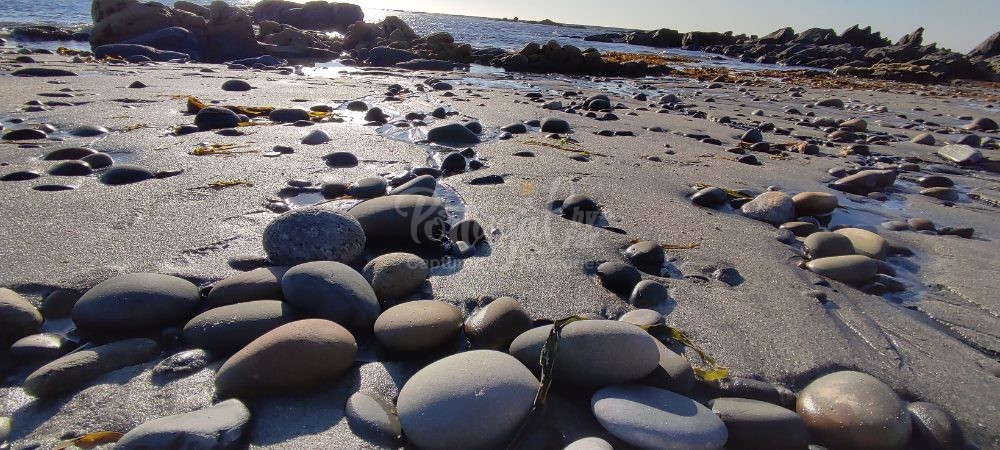
After a couple of hours we made a decision, we were staying. Right here, on the beach, for the night. This would be our first proper off-grid night. No electricity hook-up. No running water. No shower block down the path. Just us, the caravan, the ocean, and the sky.
As the family cook, I immediately recognised the opportunity: I was off duty. A free night from the caravan kitchen called for exactly one thing. Pizza. Everyone agreed without hesitation.
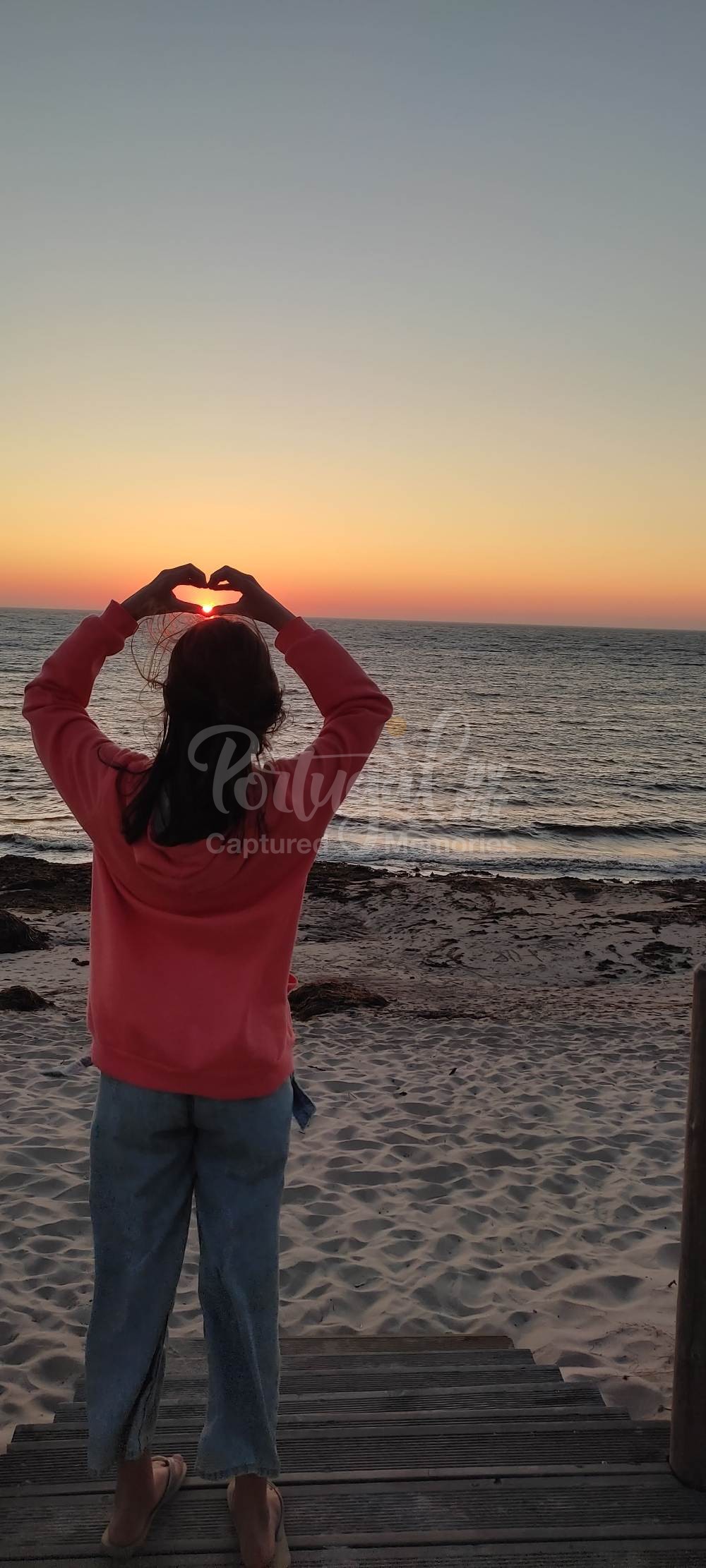
Hagi and Ori drove off to find the nearest pizzeria while the rest of us stayed in the caravan. They came back with boxes of exactly the right thing. The wind had picked up by then, strong enough that we ate inside the caravan rather than out, but we went back outside afterwards for the sunset, and it was the kind of sunset that makes you feel like you specifically were put in that spot at that moment to watch it.
Afterwards, all five of us squeezed together on the bed for a movie night, Hagi's laptop propped up as our personal cinema, which by this point had become one of our most beloved caravan rituals. And then sleep, deep, peaceful sleep on a quiet Portuguese beach with the sound of the Atlantic just outside our door.
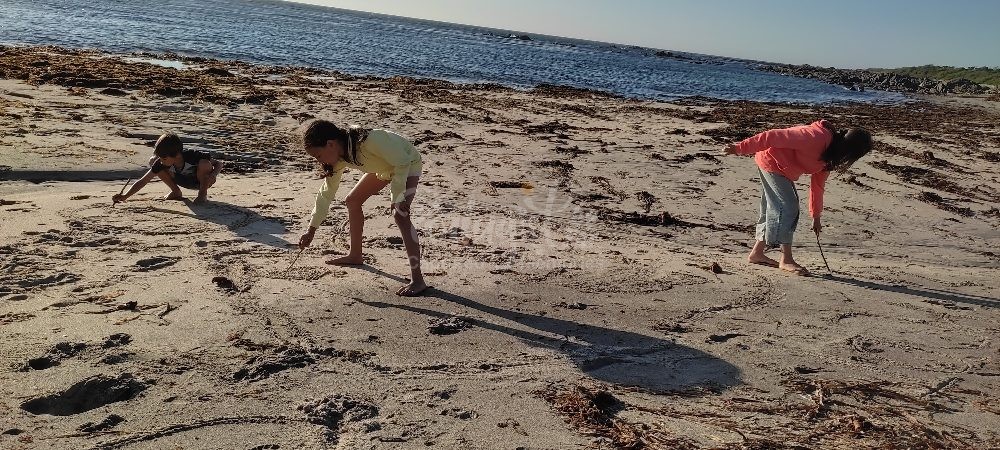
On our next family caravan adventure, we would definitely invest in a portable solar power station, producing independent electricity would have upgraded this perfect off-grid night beyond measure. Something we now recommend to every family considering long-term caravan travel.
Crossing the Border — An Emotion We Hadn't Expected
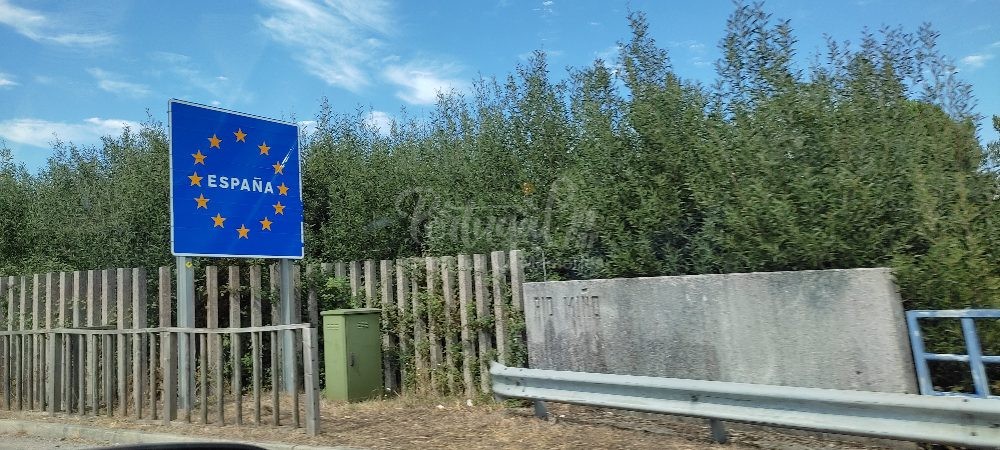
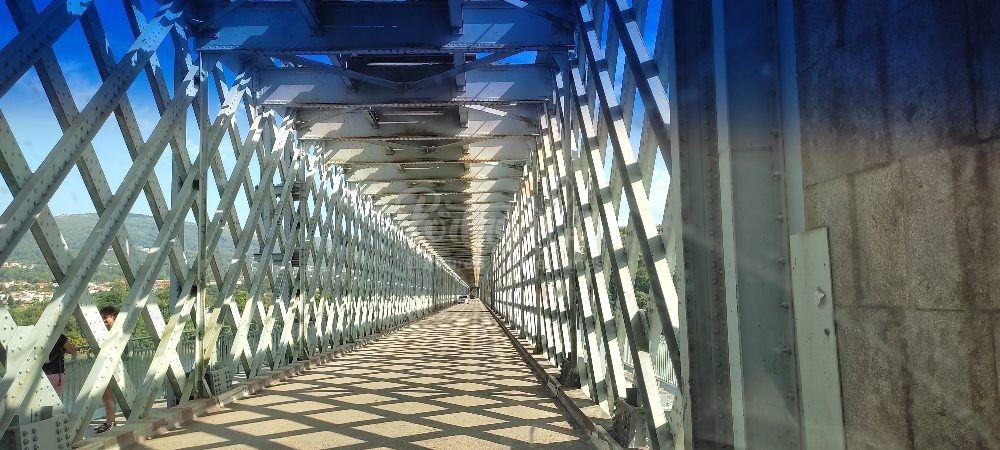
We come from Israel. A country surrounded by borders that are not casual things, borders with checkpoints, with guards, with the weight of history and conflict pressing against every crossing. Borders, for us, meant something serious.
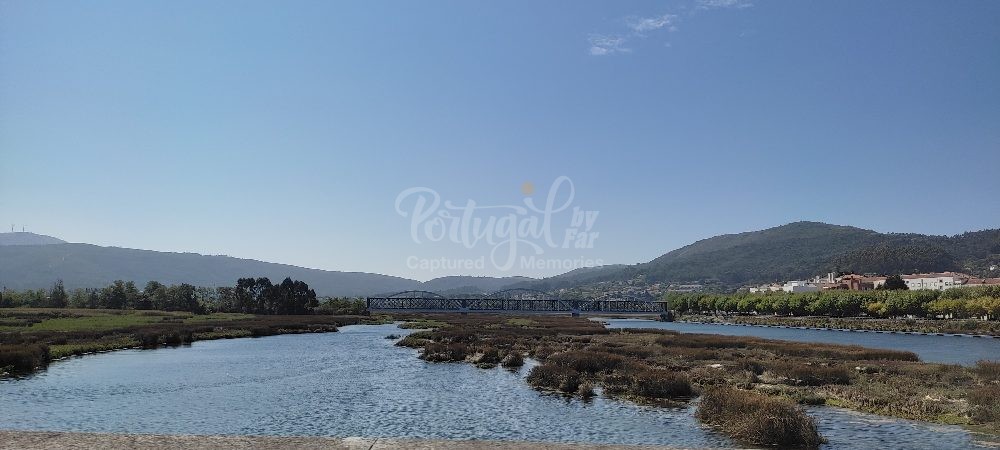
So when we woke up the next morning, had a leisurely breakfast at a large supermarket coffee shop just over the road, stocked up on groceries, and then drove to a bridge over the River Minho, I genuinely didn't know how it would feel to cross it.
We drove across. That was it. A bridge. A river below us. And on the other side, Spain. No checkpoint. No barrier. No one asking for anything. Only a sign that made it feel official. We simply crossed a bridge and arrived in a different country, a different time zone, a different language. Just like that.
I can't fully explain the feeling this gave us. It sounds small when I write it down. It wasn't small. For a family from Israel, driving across an open border felt like a kind of freedom we hadn't known existed.
Tui — Our First Hour in Spain
We found a parking spot in the little Spanish border village of Tui, big enough to fit our Jeep and caravan, and walked out to explore.
It was charming in the way that border towns often are, a boardwalk, souvenir shops, restaurants and cafés spilling onto the pavement, the whole place carrying that particular energy of a town that has spent centuries trading with its neighbour across the river. A little tourist train went past with happy passengers waving at us from their seats. We waved back with genuine enthusiasm, like the tourists we absolutely were.
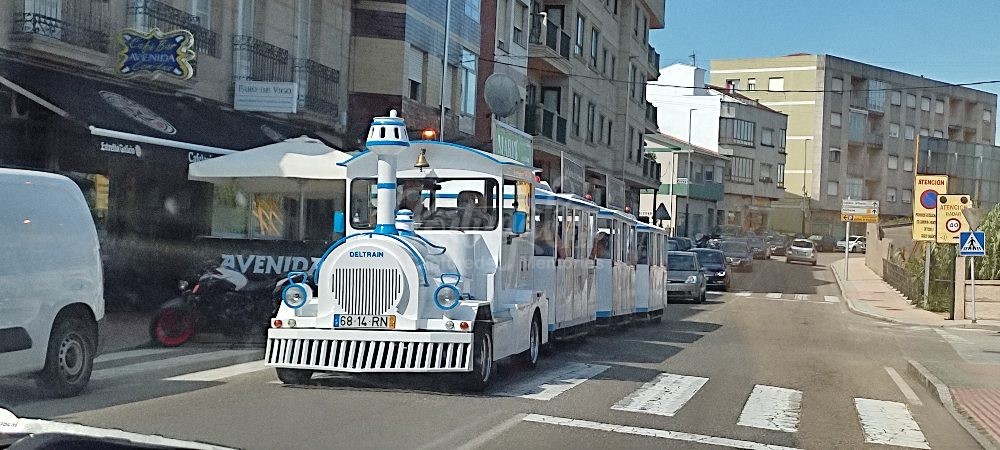
We had lunch at a local restaurant, wandered a little, absorbed the Spanish vibes, and then got back in the car and drove back across the bridge into Portugal.
Just like that. Two countries in one morning, no paperwork, no drama. The kids thought this was enormously funny and slightly unreal. So did we.
Tui is worth far more than the hour we gave it, a proper medieval town with cobbled streets, a cathedral, ancient walls and that particular energy of a place that has been watching the river and its neighbour across it for centuries. If you want to use Valença on the Portuguese side as your base and explore both sides of the border properly, there's an excellent range of accommodation in Valença including some magnificent historic stays inside Valença's walled fortress, one of the most dramatic places to sleep in all of northern Portugal.
A Few Things Worth Knowing About This Border
It's the second oldest unchanged national border on earth. The Portugal-Spain border was officially established in 1297 by the Treaty of Alcañices, over 700 years ago. Older than most European countries as we know them. When we drove across that bridge we were crossing a line that has been a line for seven centuries.
The River Minho runs the entire northern stretch. For about 75km, the border between the two countries is simply the river itself. In some spots you can wave at someone on the opposite bank who is standing in a completely different nation.
The bridge at Valença-Tui was designed by Gustave Eiffel, yes, the same engineer behind the Eiffel Tower in Paris.
Spanish people cross into Portugal regularly just to do their shopping. The price difference between the two countries is noticeable enough that border grocery runs are a genuine, unremarkable part of daily life for many Spanish families. We found this wonderful.
The border practically disappears. Both countries are in the Schengen Area, which means no passport control, no checkpoints, and sometimes not even a sign.
There are river islands near Monção whose sovereignty nobody has quite resolved. Small islands sitting in the Minho, historically disputed or simply left ambiguous between the two countries. We love that this exists. Very Portuguese and very Spanish, simultaneously, to simply leave a question like that unanswered for centuries.
The area between Caminha, Valença and the Lima Valley has some of the best rural tourism and Vinho Verde wine country accommodation in Portugal and some beautiful Vinho Verde estate stays where the wine is made on the property and the views go all the way to Spain.
Back Into Portugal — and Into the Mountains
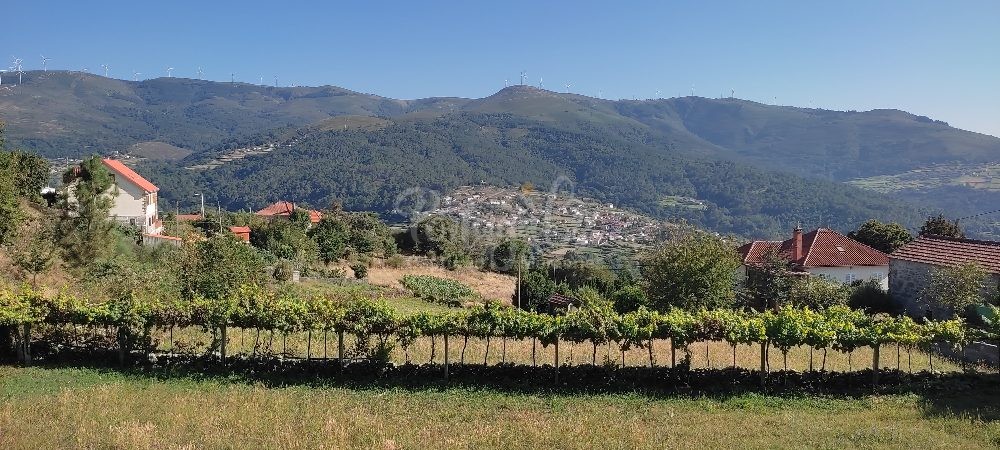
We drove back across the bridge and continued south along the border, the landscape shifting around us as we moved away from the ocean and back into the mountains. The views changed completely, wider, wilder, the kind of terrain that reminds you how much of Portugal looks nothing like the postcard version people imagine.
We had crossed a border for the first time without showing anyone a single piece of paper. We had slept on a beach with the Atlantic outside our window. We had eaten pizza in a caravan while the wind pushed at the walls.
Small things, maybe. But after a month on the road, we were learning that the small things are usually the ones that stay with you.
The mountains were calling us back in, and somewhere in the forests of the north, wild horses were roaming free and completely unbothered by the fact that two members of our family were about to celebrate their birthdays in a caravan. Chapter 9 is where the forest became our home, and where we learned that a birthday party without a cake, not to worry, it was sweeter than sweet, is equally festive and fun.
Plan Your Visit — Northern Portugal Coast and the Minho Border
Where to stay
For empty Atlantic beaches and the extraordinary Portugal-Spain border experience, browse coastal accommodation near Caminha on the Portuguese side, with the river, the sea and Spain all within easy reach.
For the full border fortress experience, historic accommodation inside Valença's walled city is one of the most distinctive sleeping experiences in Portugal. Compare all options before booking.
What to pack
For Atlantic beach days on the northern coast: water shoes for rocky shores, quick-dry towels that pack flat, and a waterproof backpack that keeps everything dry in Atlantic wind and spray.
For off-grid nights: a portable solar power station means genuine electricity independence with zero campsite dependency.
For border crossing day trips between Portugal and Spain: a travel backpack light enough to carry all day across Tui's cobblestoned streets and Valença's fortress walls.
An insulated cooler backpack for picnic lunches on the riverbank between the two countries is exactly the kind of small detail that turns a border crossing into a genuinely lovely afternoon rather than just a logistical exercise.
This post contains affiliate links. If you book or buy through them we earn a small commission at no extra cost to you. This helps us grow and share as many recommendations to help you have your best trip.
Drop us a comment
Share your thoughts about Portugal — we read every message. Be kind, be curious.
Leave a comment
Comments